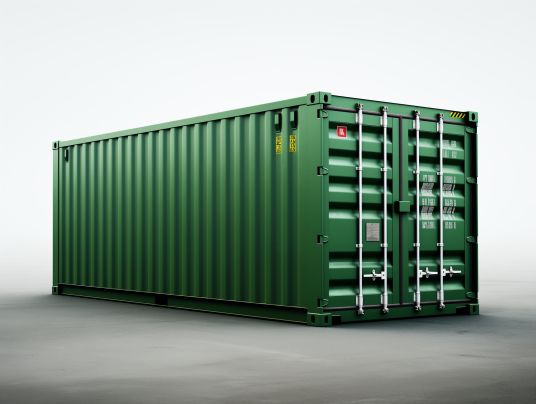
Buying a shipping container is a smart investment—but like any significant purchase, it pays to do your homework first. Whether you’re looking for extra storage, a workshop, or a creative project, these five tips will help you make the right choice.
1. Know Your Size Requirements
Shipping containers come in standard sizes, and choosing the right one depends on what you’re storing:
20ft Standard Container
- Dimensions: 20’ x 8’ x 8’6”
- Capacity: Approximately 1,170 cubic feet
- Best for: Personal storage, small equipment, seasonal items
- Fits: A single-car garage worth of belongings
40ft Standard Container
- Dimensions: 40’ x 8’ x 8’6”
- Capacity: Approximately 2,390 cubic feet
- Best for: Business inventory, large equipment, workshop conversion
- Fits: Two 20ft containers worth of storage
40ft High Cube
- Dimensions: 40’ x 8’ x 9’6”
- Capacity: Approximately 2,700 cubic feet
- Best for: Tall equipment, conversion projects, maximum storage
- Extra: That additional foot of height makes a big difference for workshop or office conversions
Pro tip: When in doubt, go bigger. You’ll likely find uses for the extra space, and it’s much easier to have room to grow than to need a second container later.
Not sure which size is right for you? Our team can help you figure out the perfect fit for your needs. Get a free consultation or call 1-844-473-2226.
2. Understand the Condition Grades
Not all “used” containers are created equal. Here’s what the common grades mean:
New (One-Trip)
These containers have made just one voyage from the manufacturer (typically in Asia) to their destination. They’re essentially new—minimal wear, clean interior, fresh paint. Expect to pay a premium, but you’re getting a container that will last decades.
Cargo Worthy (CW)
These containers are still certified for shipping overseas. They’re structurally sound, weatherproof, and inspected to meet international standards. An excellent choice for storage—you get reliability at a lower price than new.
Wind and Water Tight (WWT)
These containers no longer meet shipping certification but are still weatherproof. They may have surface rust, dents, or cosmetic issues but will protect your contents from the elements. Great value for on-site storage.
As-Is
These containers may have damage that affects their weatherproofing. Inspect carefully before purchasing. Sometimes they’re fine for covered storage or with minor repairs.
Our recommendation: For most storage needs, Cargo Worthy or Wind and Water Tight containers offer the best value. You get a solid, weatherproof container without paying for “like-new” condition.
3. Inspect Before You Buy
If possible, see the container in person before purchasing. Here’s what to look for:
Exterior Check
- Rust: Surface rust is normal; deep rust or holes are problems
- Dents: Minor dents are cosmetic; large dents may affect structural integrity
- Door seals: Check that doors close properly and seals are intact
- Hinges: Doors should swing freely without excessive force
Interior Check
- Floor condition: Plywood flooring should be solid, not rotted or damaged
- Ceiling: Look for holes or light coming through
- Smell: Musty odours may indicate moisture problems
- Previous contents: Ask what was stored previously (you don’t want chemical residue)
Door Test
- Open and close both doors
- Check all locking mechanisms
- Ensure handles move freely
- Verify the rubber seals are intact
Can’t inspect in person? Buy from a reputable dealer who provides detailed photos and honest condition reports. At C-Can Sam, we’re happy to walk you through the condition of any container and send additional photos on request.
Want to see our current inventory? We’ll send you photos and honest condition reports for any container you’re interested in. Request photos today.
4. Plan for Delivery and Placement
Before your container arrives, you need to prepare:
Site Preparation
- Level ground: Containers need a flat, stable surface
- Access: Delivery trucks need room to maneuver
- Clearance: Consider overhead power lines and trees
- Foundation: Gravel pad, concrete blocks, or railroad ties work well
Delivery Considerations
- Tilt-bed truck: Most common delivery method—needs room to tilt and slide the container off
- Crane delivery: Required for tight spaces or over obstacles
- Timing: Coordinate delivery when you can be present to direct placement
Permits and Regulations
- Check local bylaws about container placement
- Some municipalities require permits for permanent placement
- Consider setback requirements from property lines
- HOA rules may apply in some areas
Plan ahead: It’s much harder (and more expensive) to move a container once it’s placed than to get the position right the first time.
5. Consider Your Long-Term Needs
A shipping container is a long-term investment. Think beyond your immediate needs:
Future Uses
- Could you convert it to a workshop later?
- Might you need climate control?
- Will you want electrical connections?
- Could it become rental income (container storage is popular)?
Resale Value
Quality containers hold their value well. Even after years of use, a well-maintained container can be sold for a significant portion of what you paid.
Maintenance
Containers are low-maintenance, but not no-maintenance:
- Annual inspection of seals and hinges
- Touch-up paint on rust spots
- Lubricating door mechanisms
- Clearing debris from the roof
Ready to Buy?
At C-Can Sam, we make buying a shipping container straightforward. We offer:
- Honest condition assessments—we’ll tell you exactly what you’re getting
- Competitive pricing on new and used containers
- Delivery throughout Saskatchewan
- Expert advice on sizing and placement
Whether you need a 20ft container for personal storage or a 40ft high cube for your business, we’re here to help you find the right fit.
Get started today: Contact us or call 1-844-473-2226 to discuss your container needs.
Your storage solution is just a call away.
Ready to Get Started?
Whether you need a container for storage, construction, or a creative project, we're here to help you find the perfect solution.